Production shouldn’t be frequently interrupted by RTO media that clogs, cracks, or breaks down faster than expected. Whether you’re managing changing VOC profiles, unknown contaminants, or shifting process demands, performance media tailored to your conditions can help improve system reliability, uptime, and operability.

-
Experiencing fouling, shrinking, or surprise shutdowns?
-
Media that’s made for this
Our shapes and materials that go beyond the standard saddles and monoliths most commonly used in RTOs. Offering a range of random media shapes and unique ceramic formulations that provide improvements in flow, durability, and thermal performance, we can help you find a media solution matched to your VOC stream chemistry without a complete RTO system overhaul.
Application-specific materials
From acidic or alkaline VOC streams to silane and silicone compounds, we offer a range of material formulations designed to resist various chemical attacks as well as thermal shock and maintain structural integrity.
Fouling-resistant, high-flow ceramic shapes
Patented geometries like Snowflake™, HexPak™, and Ty-Pak® improve airflow and reduce pressure drop, helping systems run more efficiently while resisting plugging from silanes, acids, and other tough VOCs.
Drop-in compatible, performance proven
Built to work with a wide range of RTO configurations, including legacy systems, our media makes it easy to upgrade performance without costly system replacements.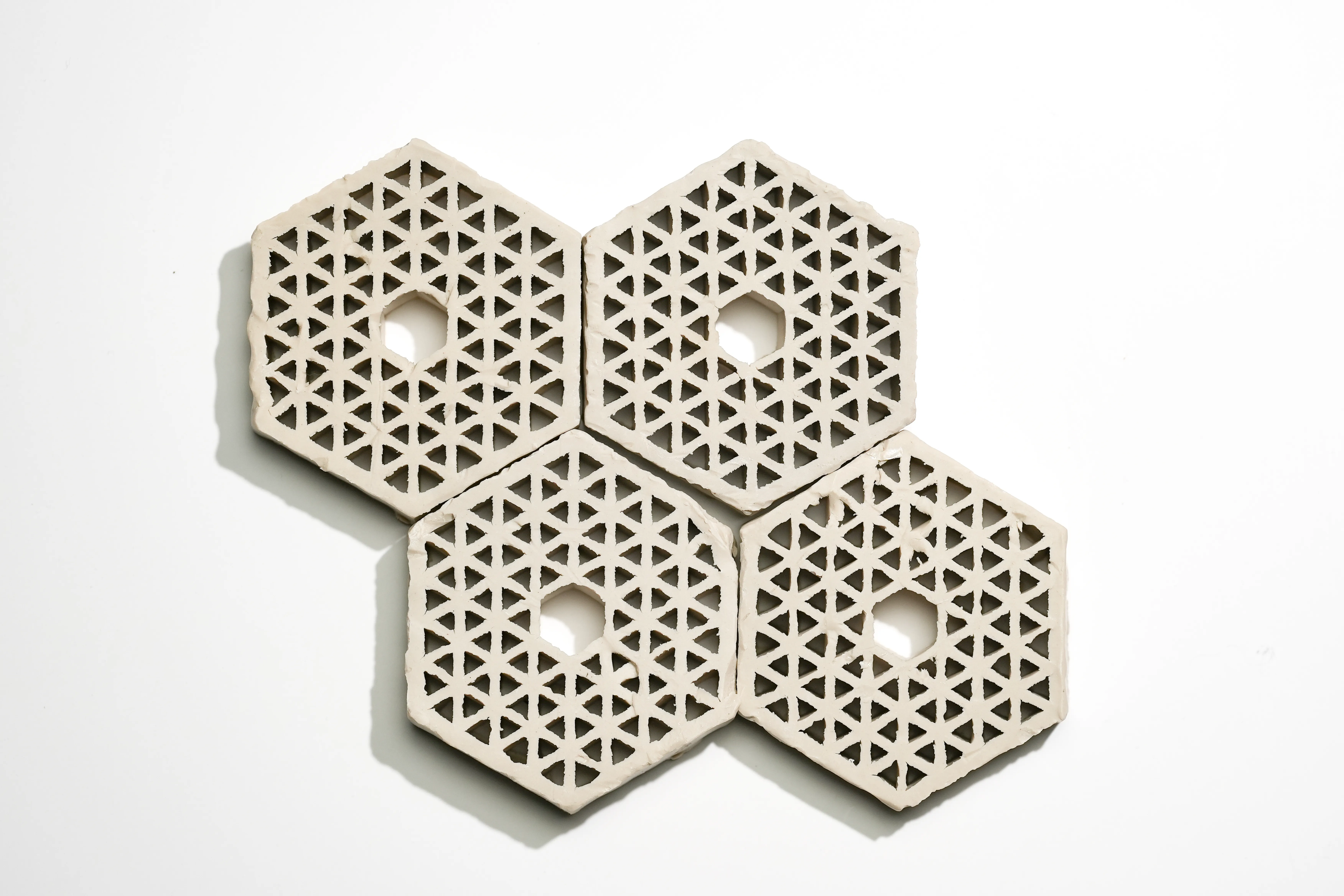
-
Choose RTO packings engineered to perform
Discover a wide range of performance media
NorPro RTO media solutions are engineered to address critical issues such as fouling and corrosion, while driving performance improvements across pressure drop and heat transfer to help lower your maintenance and energy costs. Our materials are formulated to resist acids, alkalis, and silica-rich compounds — the kinds of things that break standard ceramics down. The result? Media that holds up, keeps systems running, and protects your uptime.
-
EXPLORE OUR PRODUCTS
-
How our media is solving real-world RTO challengesFrom cracking & shutdowns to longer runs
A silicone processor reduced the frequency of emergency shutdowns by switching to a thermally resilient media that resisted glazing and cracking.From fused ceramic to 6X media life
When silane contamination fused their ceramic bed, this plant switched to a free-flowing saddle shape that delivered 18+ months of uptime.From bed shrinkage to steady performance
Alkali-rich steam was breaking down their media — until a tougher ceramic blend stopped the deformation and extended system life. -
FAQ
-
How does ceramic media impact RTO performance?
Ceramic media in a regenerative thermal oxidizer acts as a heat sink, capturing and transferring thermal energy between exhaust and incoming air streams. This process improves energy efficiency by reducing the need for external fuel. The media’s shape and material also impact system performance. Better designs reduce pressure drop and resist fouling, helping the RTO operate more reliably over time.
-
How do I know if my RTO media is the problem?
Signs that ceramic media may be failing include a sustained increase in pressure drop, uneven temperature profiles between towers, or a decline in VOC destruction efficiency. However, these symptoms can also result from other issues like process changes, upstream fouling, or valve malfunctions. If you’re seeing performance loss, it’s important to rule out system-wide causes first. Physical inspection of the media bed or sample analysis can help confirm media degradation. Get in touch with one of our engineers to learn more about diagnostics options available to you.
-
What causes RTO media to degrade or plug prematurely?
Common causes include:
- Particulate or condensable buildup from the process stream
- Thermal shock from rapid heating/cooling cycles
- Chemical attack, especially from acids or halogenated compounds
- Incompatible operating conditions (e.g., low flow velocity causing poor purge)
- Poor-quality or mismatched media, especially if not designed for your process
Understanding your process chemistry and loading profile is key to selecting the right media and preventing early failure.
-
Can the ceramic media in an RTO be optimized for my exhaust airstream?
Yes, and it should be. Your ceramic media should be carefully selected to resist specific VOC compounds, acids, alkalis, and other harsh elements in your exhaust stream. If your processes or VOC streams have changed, and are noticing signs of media degradation or experience frequent fouling, you may want to consider whether your current media is still the appropriate choice.
-
Can we use NorPro media in an existing RTO system?
In most cases, yes. Our ceramic media is fully compatible with RTO systems designed for random-packed beds, which are common in many industries. If your system currently uses random packing, our products can typically be installed with minimal adjustments.
If your RTO uses structured ceramic media (such as block or honeycomb designs), a full or partial switch to random-packed media may require careful consideration of airflow distribution, pressure drop, and thermal efficiency. These retrofits may involve changes to the bed support or baffling to ensure proper performance.
We can help assess whether a random-pack conversion is appropriate for your system and provide guidance on media selection and bed design adjustments if needed.
-
What is the difference between random packings and structured packings in an RTO?
Random packings consist of smaller loose ceramic pieces poured into the RTO bed, like saddles or proprietary shapes (e.g. Ty-Pak®). Structured packings are engineered into a rigid, uniform block. While structured packings can offer low pressure drop and compact size, random packings can be easier to install, more flexible across systems, and better suited for high-fouling or variable process conditions.
-
What are the typical operating costs for a regenerative thermal oxidizer?
Operating costs for an RTO can vary depending on system size, process conditions, and energy recovery efficiency. The biggest drivers are fuel or electricity usage, maintenance labor, and downtime due to media changeouts or fouling. Choosing the right ceramic media can help reduce pressure drop, improve heat recovery, and extend run time — all of which contribute to lower overall operating costs.
-
How often should RTO media be inspected or tested?
Maintenance intervals for RTOs can vary widely, from every few months to several years, depending on your industry, system load, VOC stream characteristics, and the type of ceramic media used. Processes with heavy particulate, corrosive compounds, or variable exhaust conditions typically require more frequent inspections and cleanouts. If you’re seeing unusually short service intervals, it could be a sign your media isn’t suited to your process. Upgrading to a fouling-resistant, chemically durable media can help reduce maintenance frequency and improve long-term reliability.
-
Are there diagnostics we can run to understand what’s behind media problems?
We can review your VOC stream composition and system conditions or conduct a chemical analysis on a media sample to recommend a solution that resists fouling and degradation. Get in touch with one of our engineers to learn more about diagnostics options we can offer.
-
Can plugged media be cleaned, or does it have to be replaced?
Light fouling may be removed with vacuuming or low-pressure air cleaning, and some users attempt water washing or bakeouts. However, once media is deeply fouled or structurally degraded, cleaning often only provides temporary relief. In such cases, partial or full media replacement is typically more cost-effective in the long run.
-
Can bakeouts solve plugging issues?
In certain cases, yes. High-temperature bakeouts can help burn off organic residues in the upper media layers. However, they are not always effective for inorganic plugging (e.g., salts, particulates), and frequent bakeouts may accelerate media aging. We recommend bakeouts only as a short-term mitigation, not a long-term solution.
-
What’s the typical service life of NorPro ceramic media?
Typical service life depends on:
- Process stream composition
- Particulate or condensable loading
- Operating temperature and cycling frequency
- Maintenance practices
In well-controlled systems with clean-burning VOCs, media can last up to a decade or more. In high-fouling environments, more frequent replacement may be necessary. There is no simple answer as every production process involves different variables. Tell us more about your processes and VOC streams, and we can advise on whether a media switch could help extend the lifespan of your media.
-
-